18:14
18:14 19:24
19:24 Wayakhel - Pekudè, Shabbath Ha-chodesh - Es. 35-1/38-20, Es. 38-21/40-38, Es. 12-1/12-20

Saluzzo
The first Jewish settlements in the Marquisate of Saluzzo date back to the late 15th century; originally distributed throughout various hamlets of the region, they concentrated in the city of Saluzzo between the 16th and 17th centuries. The ghetto was established in 1723. Its original location is unknown, but in 1795 it was “transferred” to a block of chiassetto Venezia, near today’s Piazza Risorgimento.
After a brief suspension during the Napoleonic period, confinement in the ghetto was reinstated during the Restoration years and definitively abolished in 1848, with the Royal Decrees issued by King Charles Albert of Savoy-Carignano.
After the Second World War, the old chiassetto Venezia was renamed “via dei Deportati ebrei” in memory of the 29 victims of the Holocaust deported from Saluzzo. Since 2009, the installation “Traces of Memory” has commemorated their names with small brass plaques embedded in the street pavement next to the homes where they lived. Many are visible a short distance from the old ghetto, in Piazza Risorgimento, Via Spielberg, and Via Bodoni.
The Sinagogue
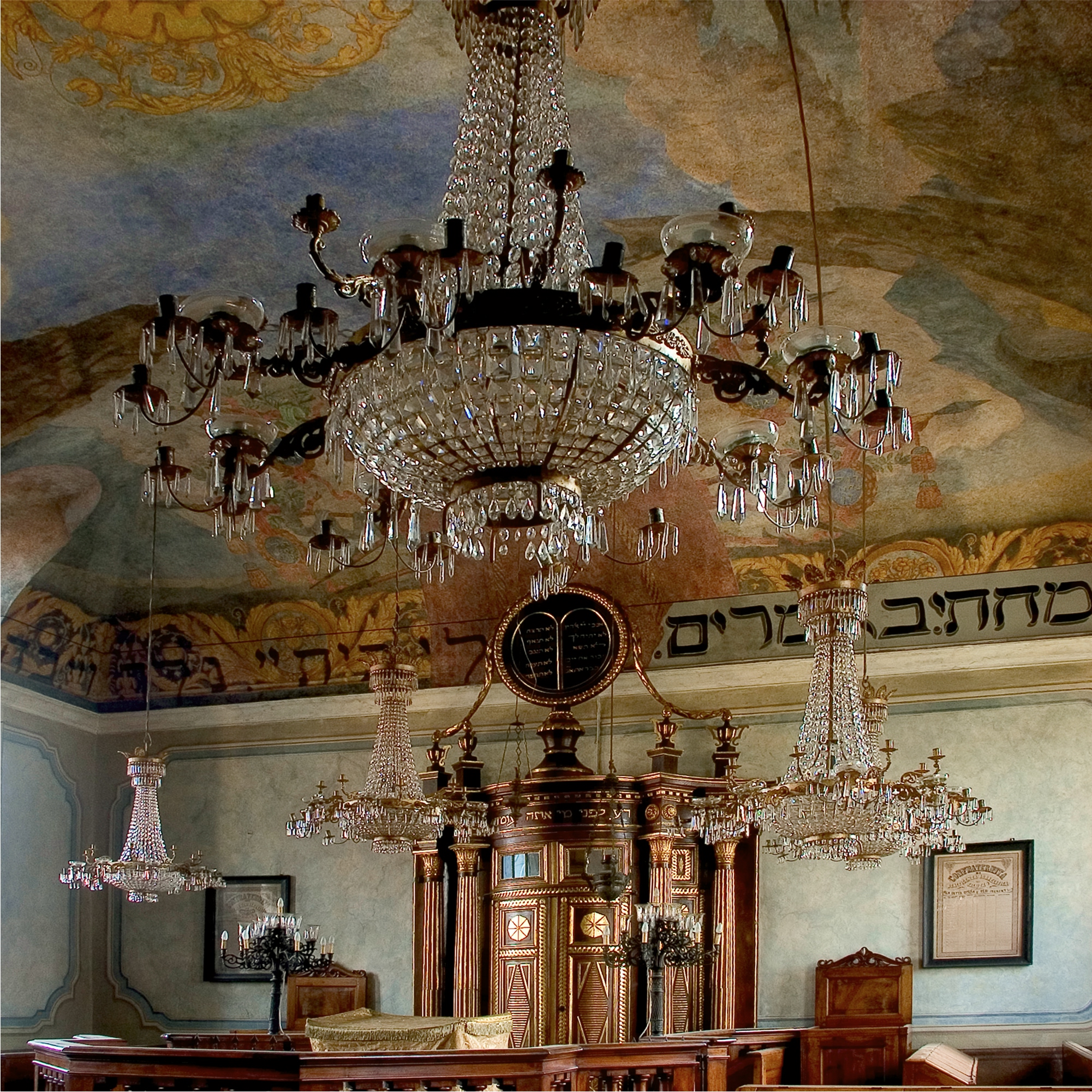
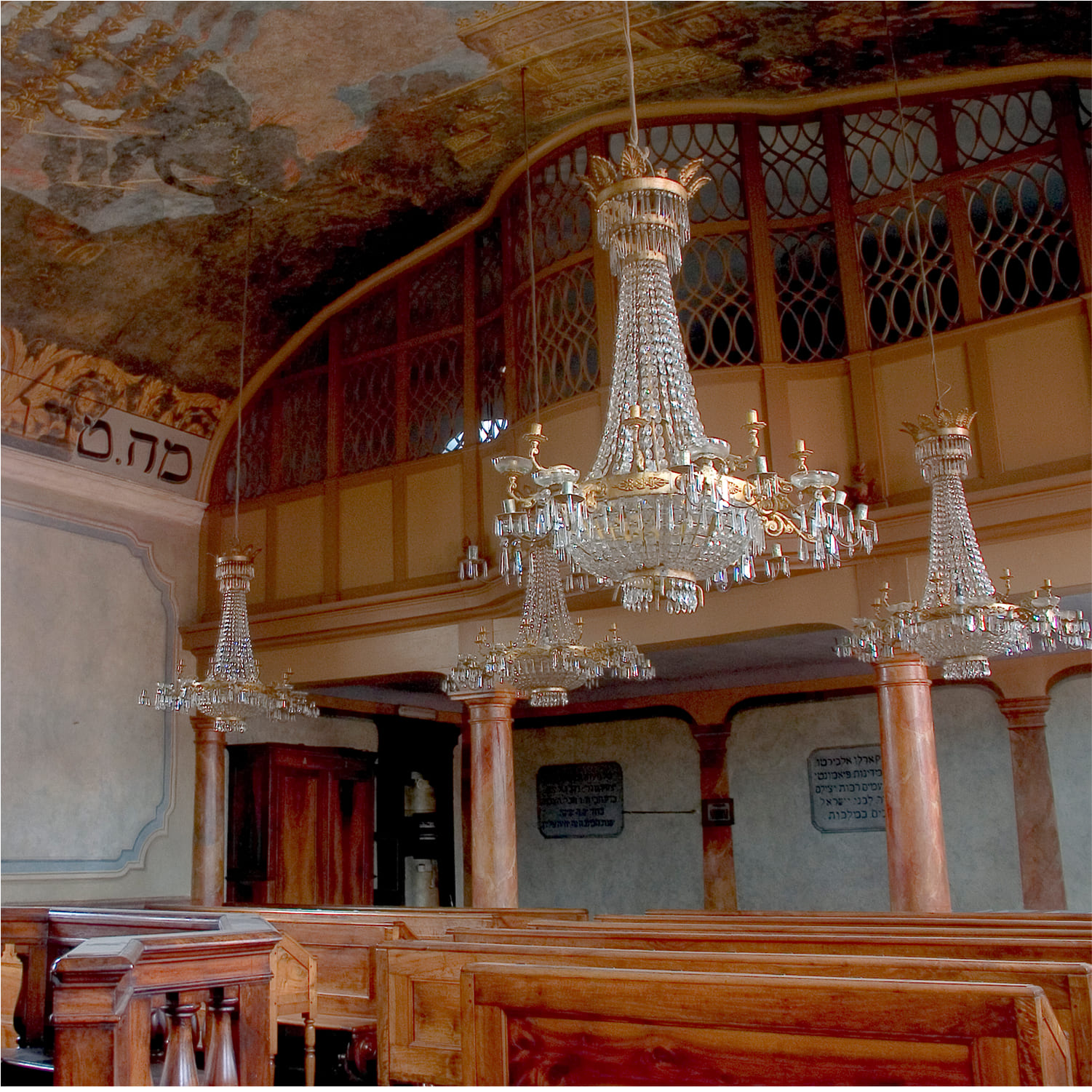
The Saluzzo temple retains the exterior character of the ghetto era, devoid of external elements that reveal its presence. The hall dates back to the early 1830s and is likely the redevelopment of a previous synagogue. The interior organization anticipates the layout of synagogues built or remodeled after the Emancipation (1848), modeled after the liturgical space of churches. The 19th-century tevah and aron are located on the side opposite the entrance, connected by a polygonal balustrade. The carved and gilded wooden aron is characterized by small mirrored inserts and curved doors. At the center of the hall are 19th-century pews for the public, divided into two sections and arranged in parallel rows oriented toward the tevah and aron. A mezzanine area behind the hall houses the women’s gallery.
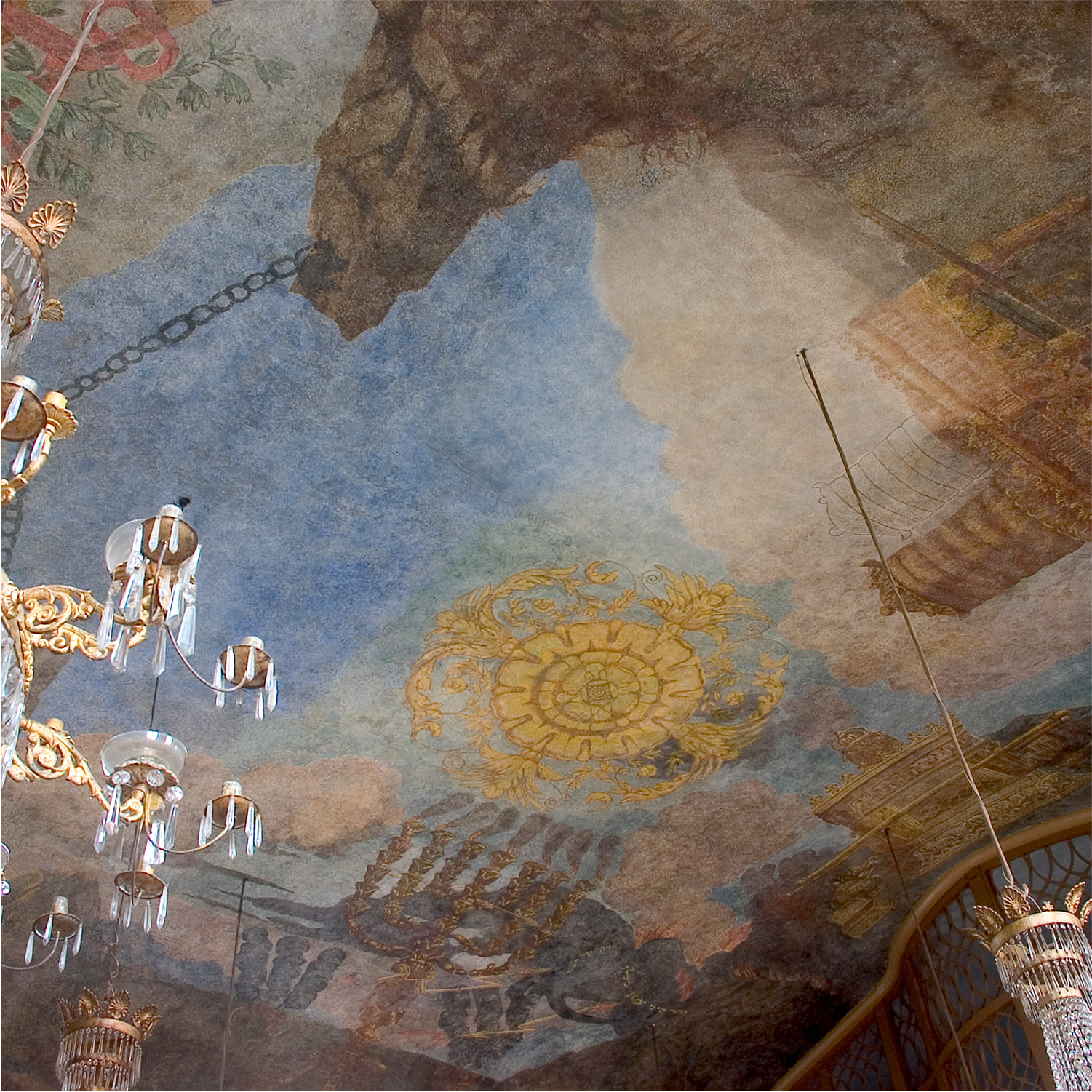
During restoration work in the early 2000s, a partially preserved layer of paint was discovered on the vault, predating the surface. The vibrant fresco, which was chosen to be restored, depicts the furnishings of the Tabernacle in a distinctive style, different from the decorations common in Italian synagogues. Decorations in the same style and subject matter are also found on the inside of the doors of an old aron hakodesh that belonged to the same synagogue and has since been moved to Israel.
Jewish Cemetery
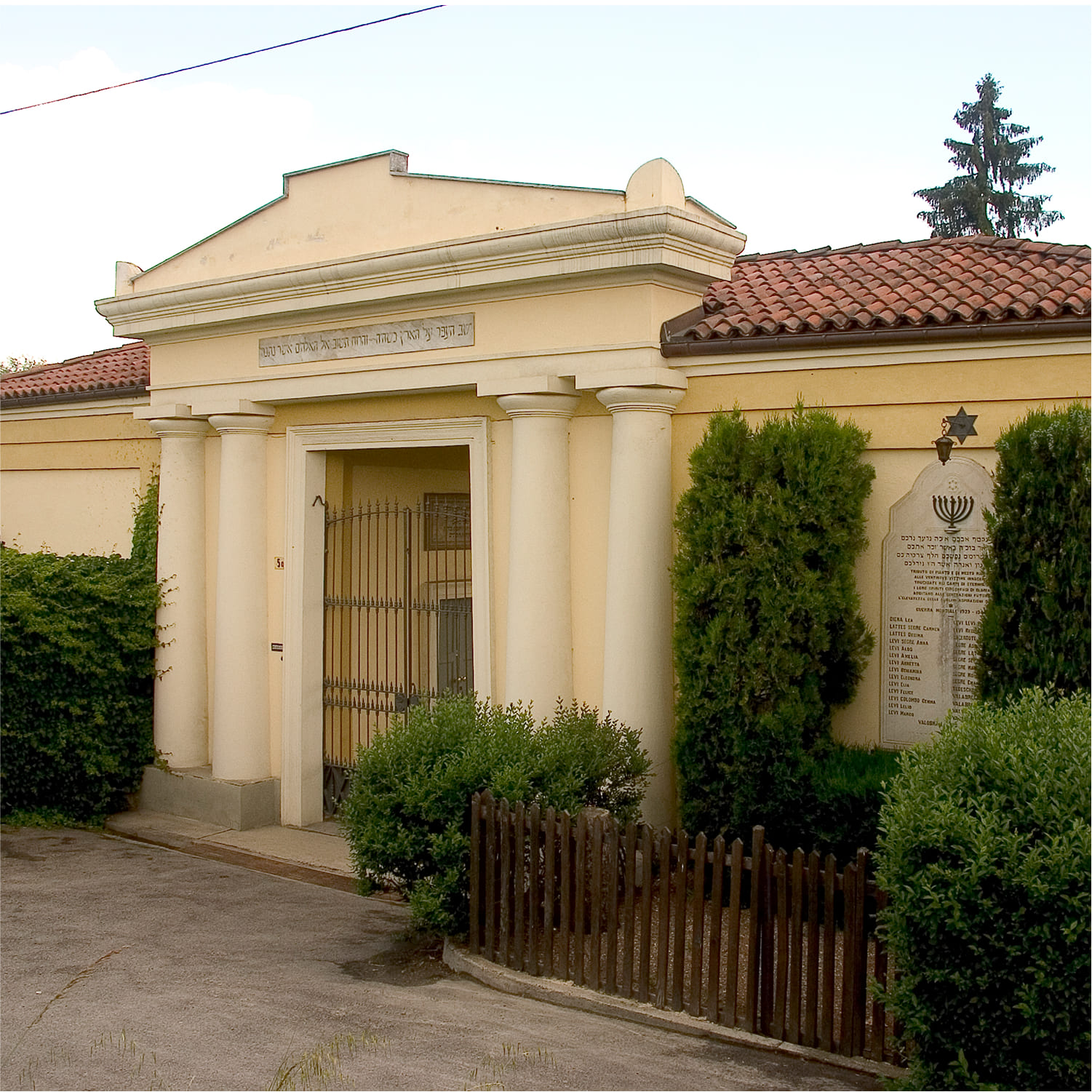
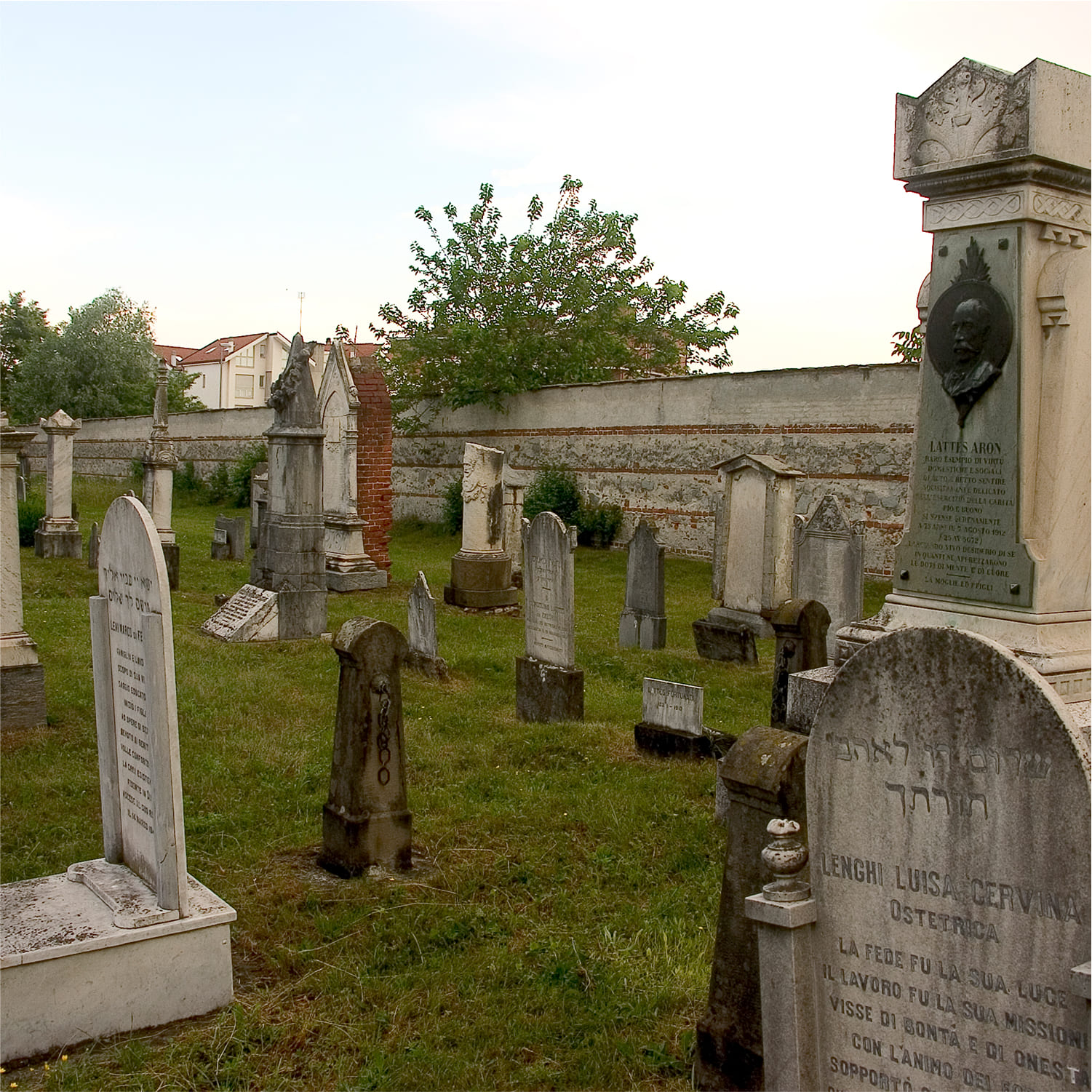
The earliest cemetery was first documented in 1590, when the community was able to purchase land, the precise location of which is unknown. A second cemetery is documented in the Bramafarina region, on the modern-day strada di Pagno. A third one, still in use today, a short distance from the residential centre on via Lagnasco, was purchased by the Curia in 1795.
The field is vast and well-kept, featuring burials aligned in the same direction. As with many Jewish cemeteries in the years after the Emancipation, it was affected by the assimilation of stylistic phenomena typical of late 19th century Catholic cemeteries, with symbolic elements and monumental tendencies extraneous to Jewish tradition.
A plaque next to the entrance commemorates the 29 Jews deported from Saluzzo; in the late 90s, their names were also engraved on individual plaques positioned between plants along the main avenue.