18:14
18:14 19:24
19:24 Wayakhel - Pekudè, Shabbath Ha-chodesh - Es. 35-1/38-20, Es. 38-21/40-38, Es. 12-1/12-20

Mondovì
In 1584, Aron Sacerdote was granted permission to run a lending bank in Mondovì. A small Jewish community formed, which also became a hub for families living in the surrounding countryside.
The ghetto was established in 1724 in the hilly part of the city (Piazza), at the foot of which lies the most popular neighborhood (Breo). The ghetto’s distinctive features include its direct access to a main street—Via Vico—and its proximity to Christian homes; for this reason, the Mondovì ghetto never had actual gates, but only raised walls and the blocking of existing openings. Inside, passageways and galleries allowed communication between the different areas without crossing the outside. Despite the recent addition of volumes within the courtyards, the building layout remains recognizable.
In all the Savoy territories, the ghetto era ended in 1848. From the brief period of emancipation under Napoleonic rule, Jews purchased some of their own residences in the ghetto or surrounding area; today, the beautiful Baroque synagogue at Via Vico 65 remains in the possession of the Jewish community of Turin.
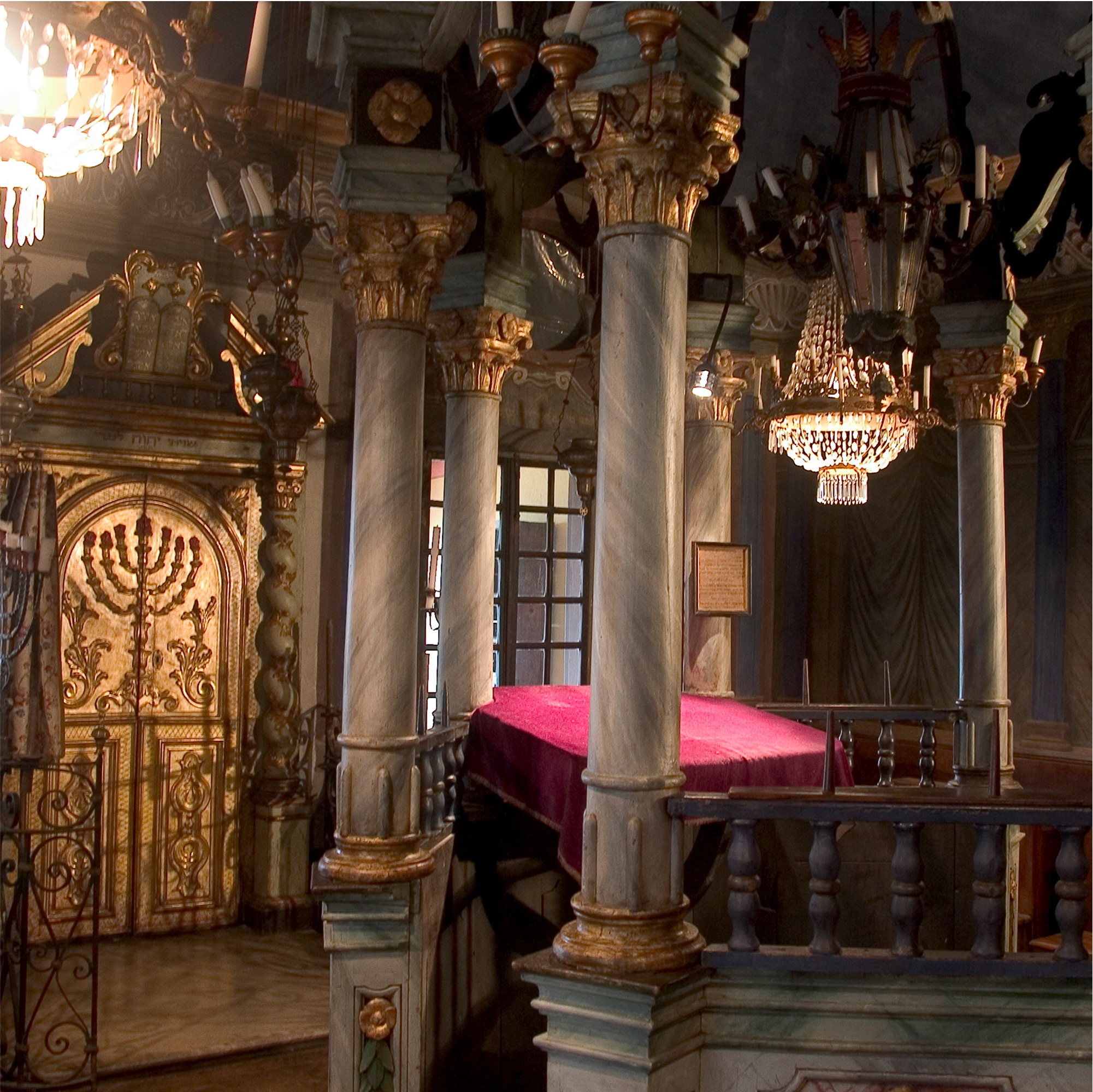
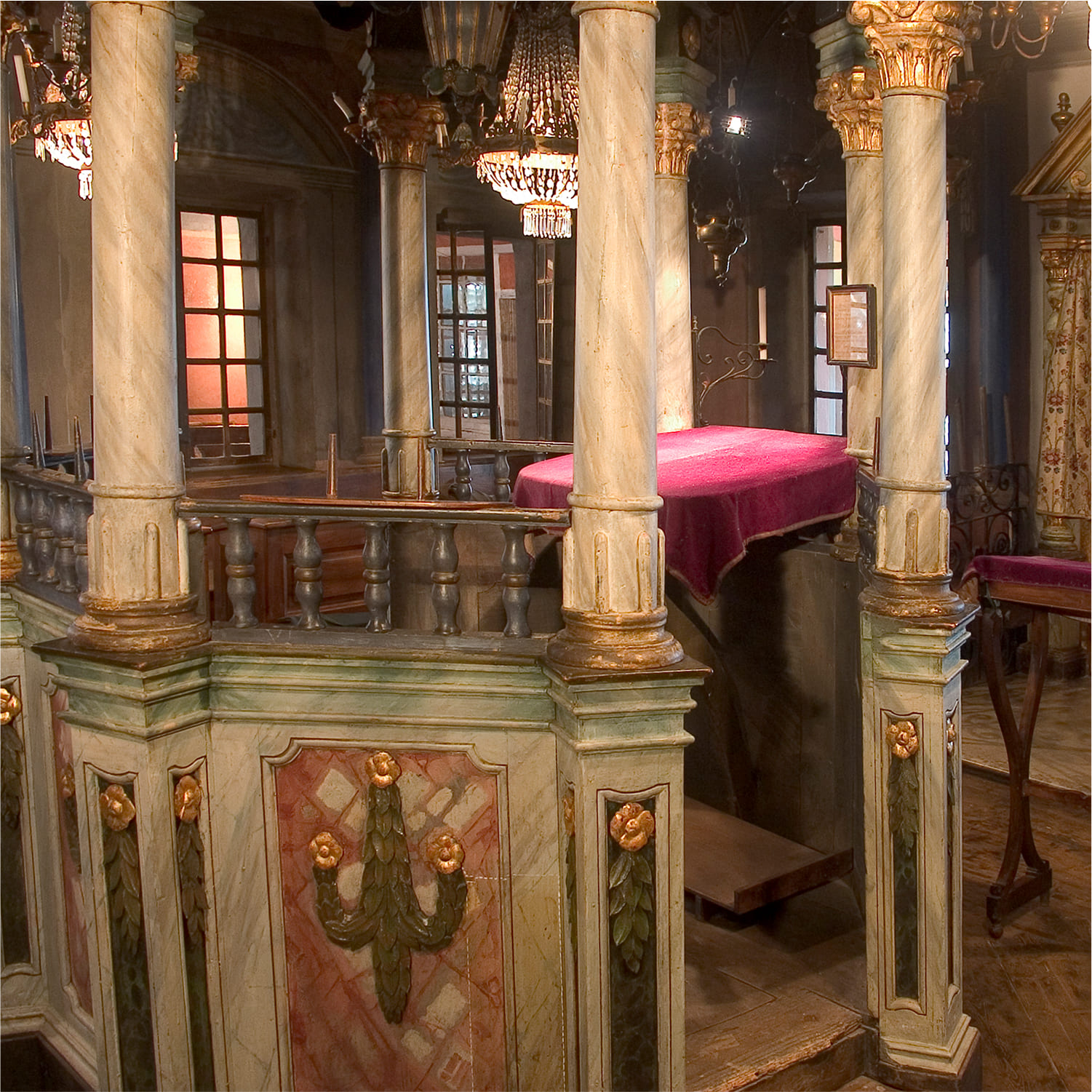
The Sinagogue
The small synagogue of Mondovì is located
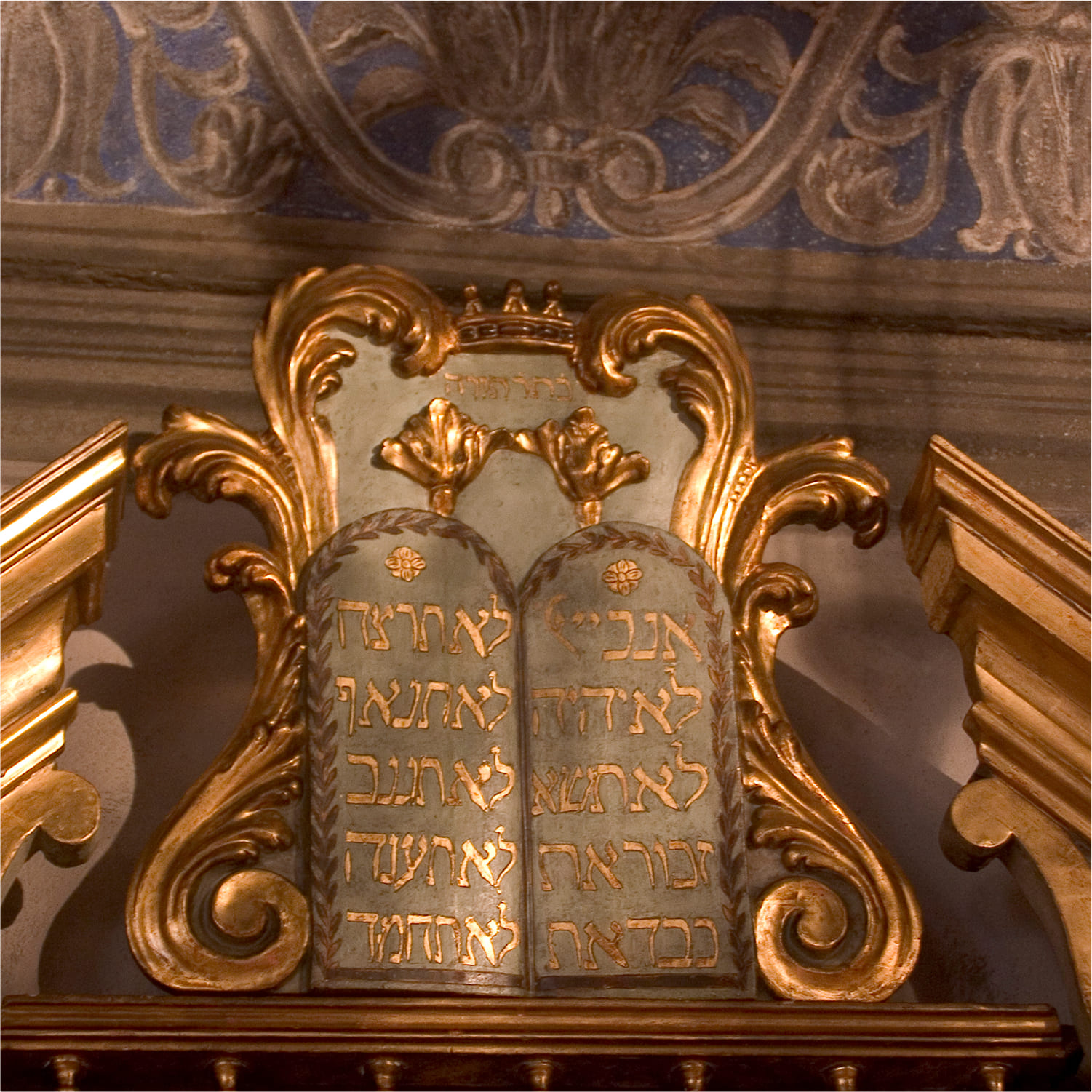
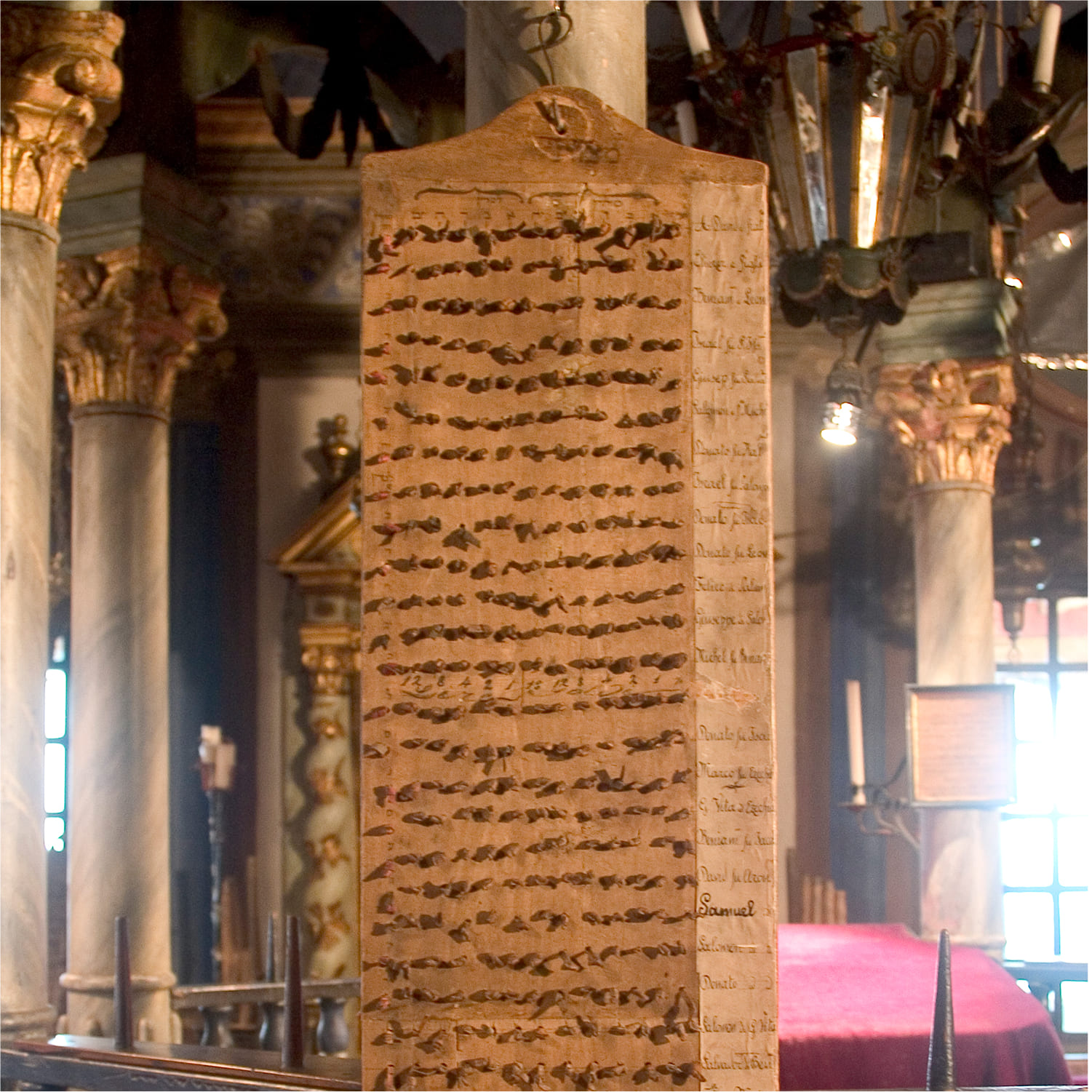
The late 18th century interior is intimate and cosy; true to Piedmont tradition, the hall features a central layout with a fulcrum in the canopied
Two windows either side of the aron open out onto the external loggia with views of the Mondovì hills.
A walkway next to the entrance leads to the matroneum and small classroom, located next door to the hall, both added later.
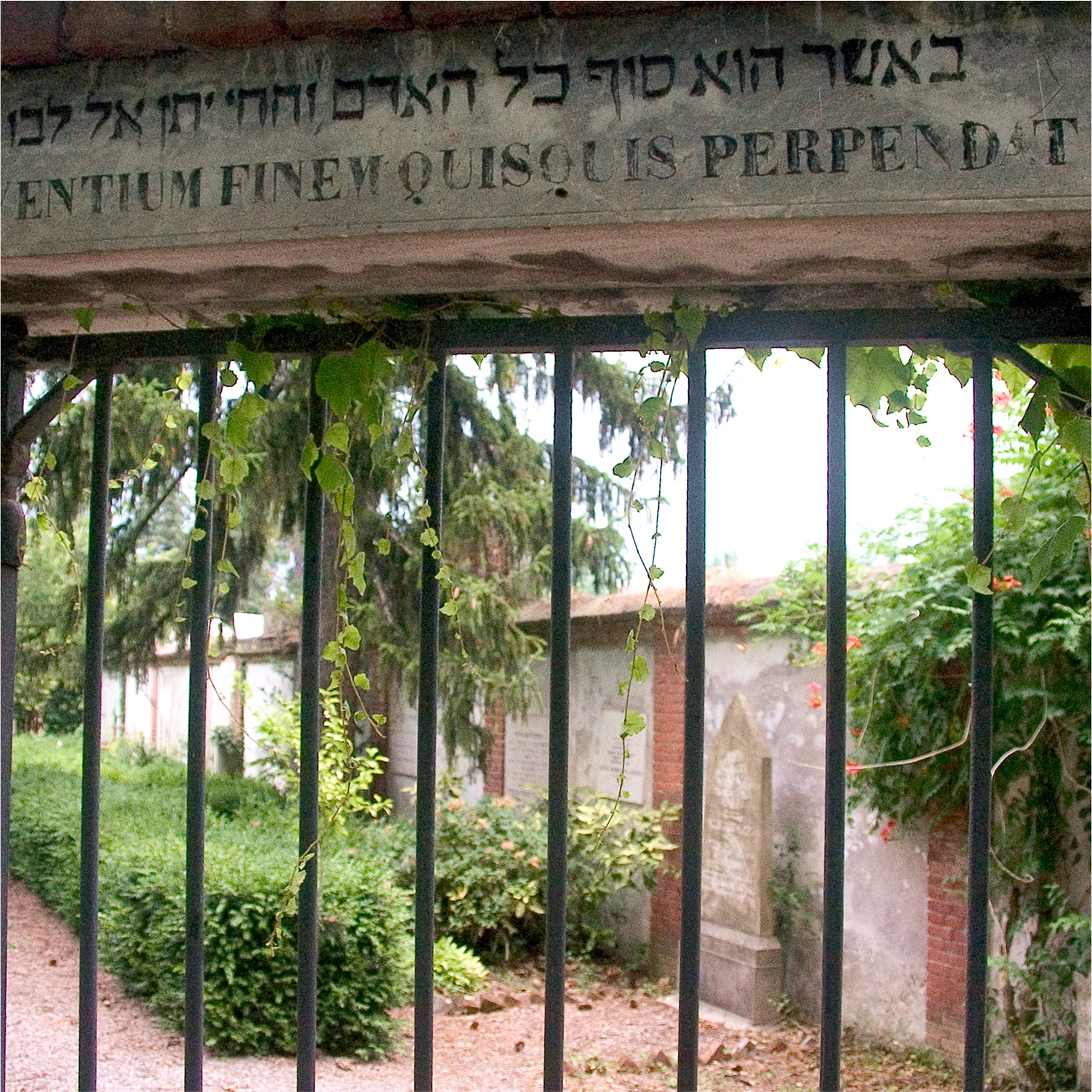
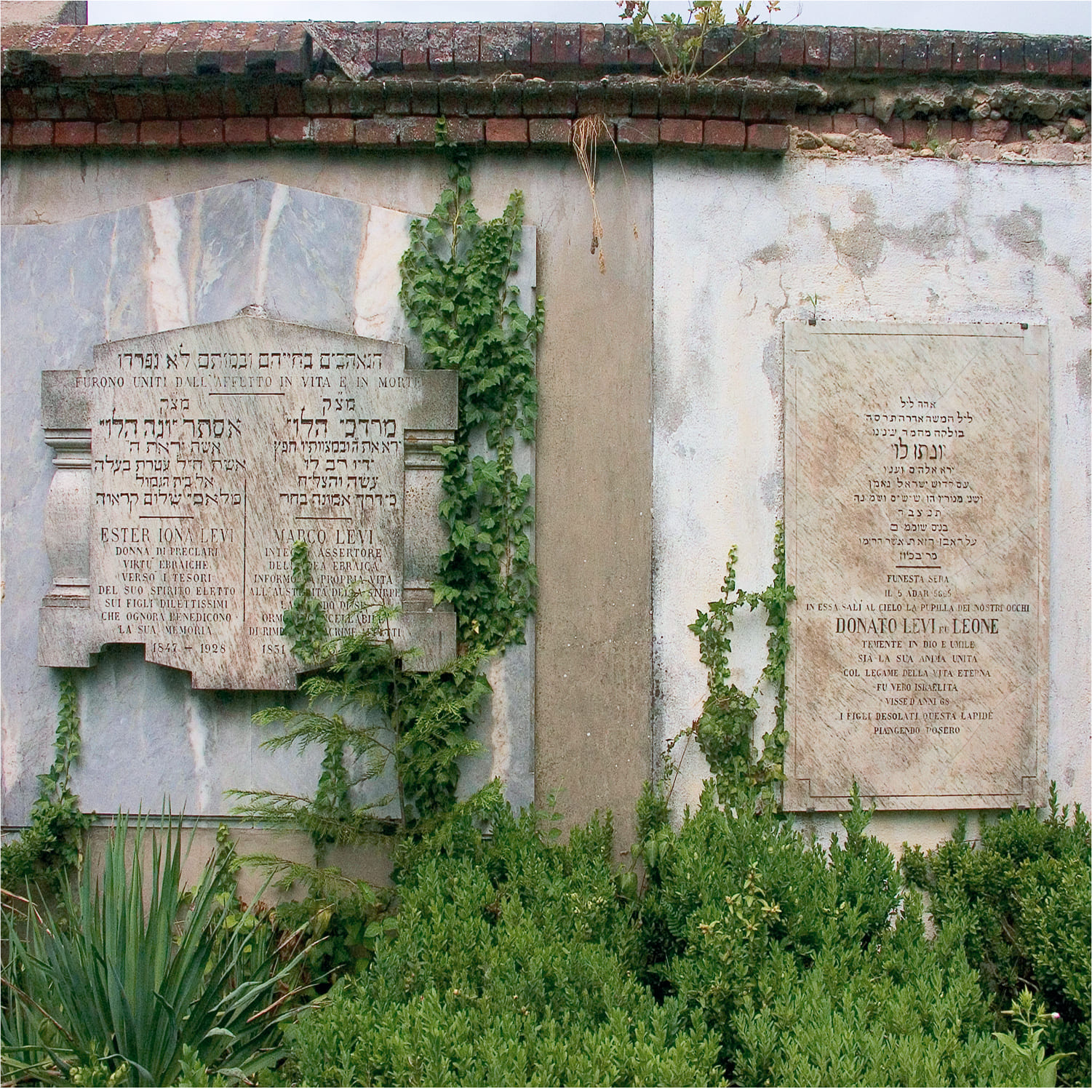
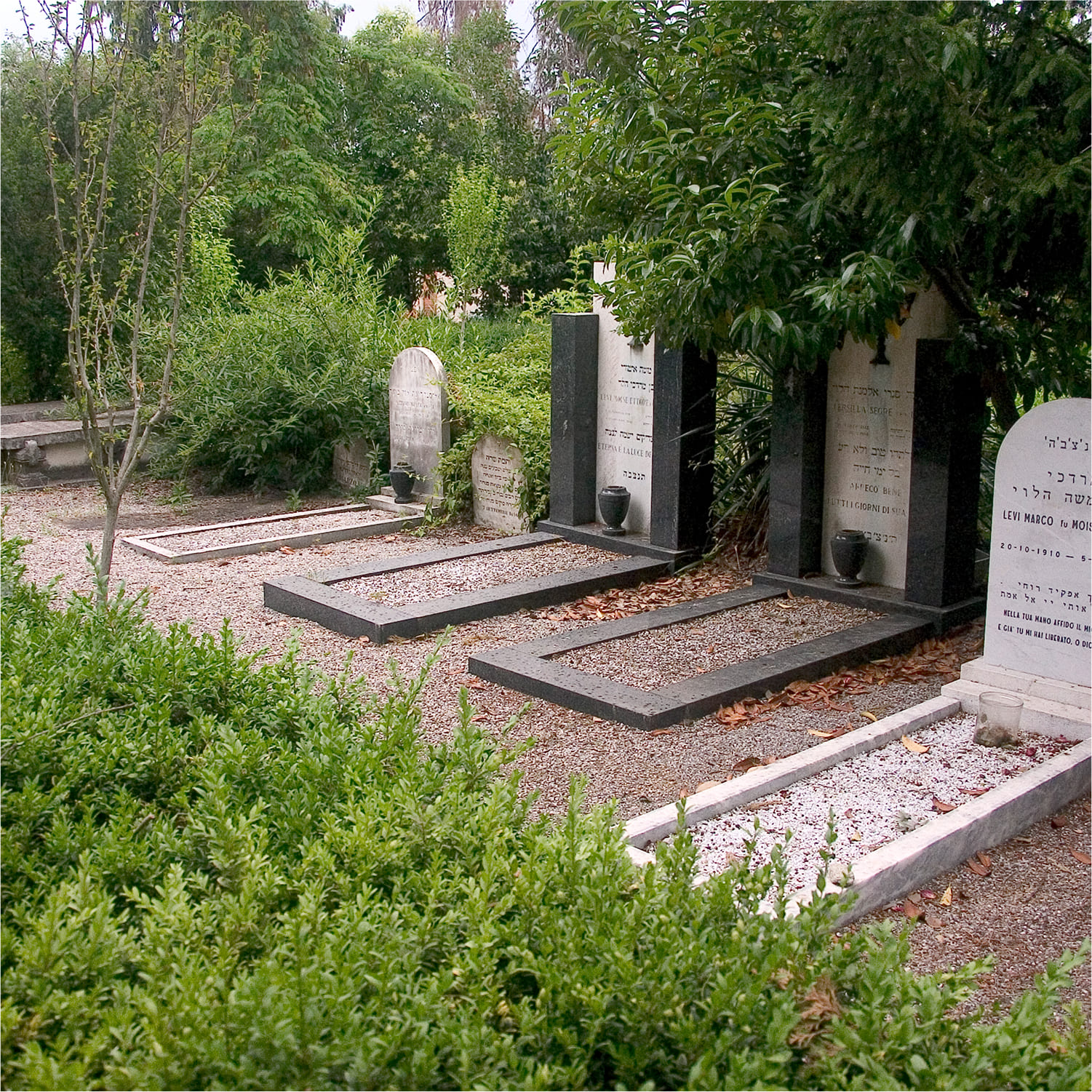
Jewish Cemetery
The first Jewish cemetery in Mondovì dates back to a few years after the ghetto‘s foundation; in preceding centuries the community used the Jewish cemetery of Cuneo. Mondovì’s Jews were granted a field located in the upper part of the city, beneath the fortress bastions, and remained in use until 1865. Later an area next to the municipal cemetery was allocated and gravestones from the old cemetery were duly moved to this new location.
The field is still used today and is characterised by a triangular layout with simple graves, in accordance with Jewish tradition.
In 1964 a plaque was erected at the beginning of the avenue leading to the entrance, in commemoration of Jews deported to Nazi extermination camps.