18:14
18:14 19:24
19:24 Wayakhel - Pekudè, Shabbath Ha-chodesh - Es. 35-1/38-20, Es. 38-21/40-38, Es. 12-1/12-20

Carmagnola
Prime testimonianze di presenza ebraica a Carmagnola risalgono alla fine del XV secolo. Il piccolo nucleo era in particolare dedito all’attività di prestito e al commercio e, più tardi, poté dedicarsi anche all’arte dell’oreficeria. Nel 1723 il re Vittorio Amedeo II estese a tutto il Piemonte l’obbligo del ghetto, sino a quel momento istituito solo a Torino. Al gruppo ebraico di Carmagnola fu destinata l’Isola delle Cerchie, fra le attuali vie Bertini, Cherche, Benso e Baldessano. Il ghetto sorgeva in posizione centrale ma esterna ai percorsi delle processioni cattoliche e leggermente defilato rispetto alla principale zona commerciale, dove la comunità si era in origine stabilita e avrebbe desiderato mantenere la propria residenza.
Si trattava di un piccolo gruppo di famiglie che aumentò di poche unità all’arrivo, nel 1737, degli ebrei di Racconigi, trasferiti nel ghetto di Carmagnola perché in numero troppo esiguo per poter costituire una comunità autonoma. Con l’Emancipazione del 1848 ebbe inizio un progressivo spostamento verso i centri maggiori che ha gradualmente portato la comunità di Carmagnola a estinguersi. Alla Comunità ebraica di Torino rimane l’edificio della sinagoga sito via Bertini 8, oggi magnificamente restaurato.
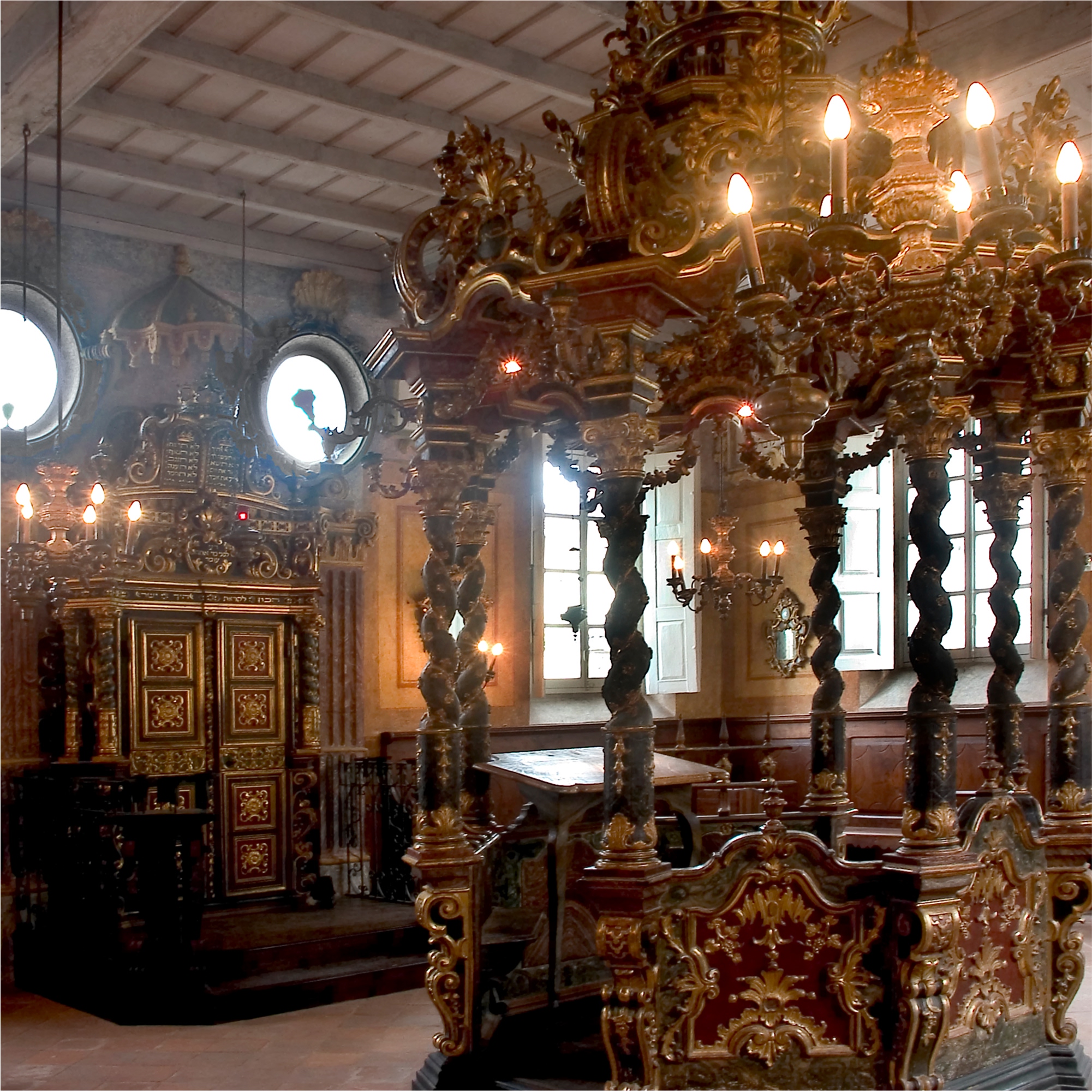
The Sinagogue
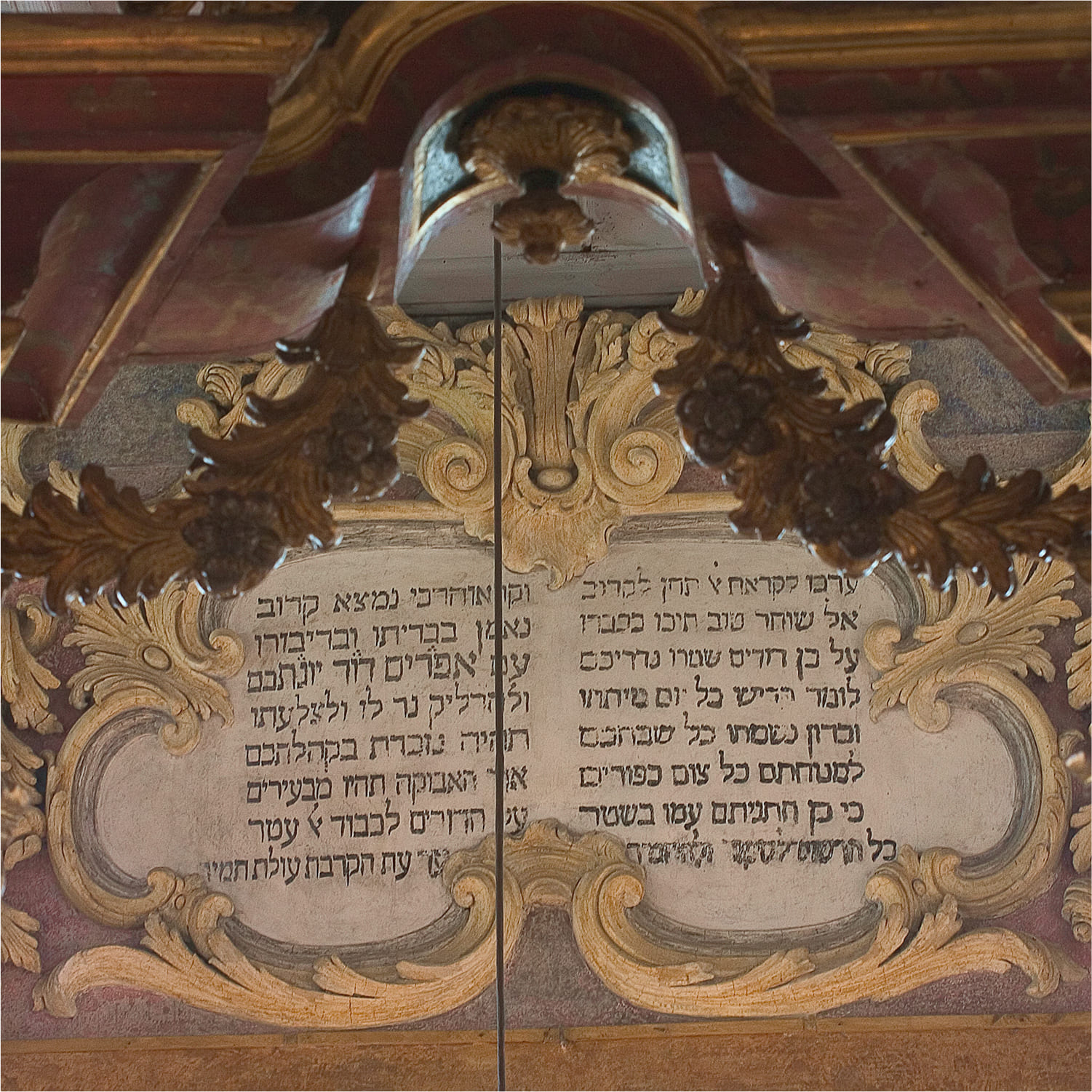
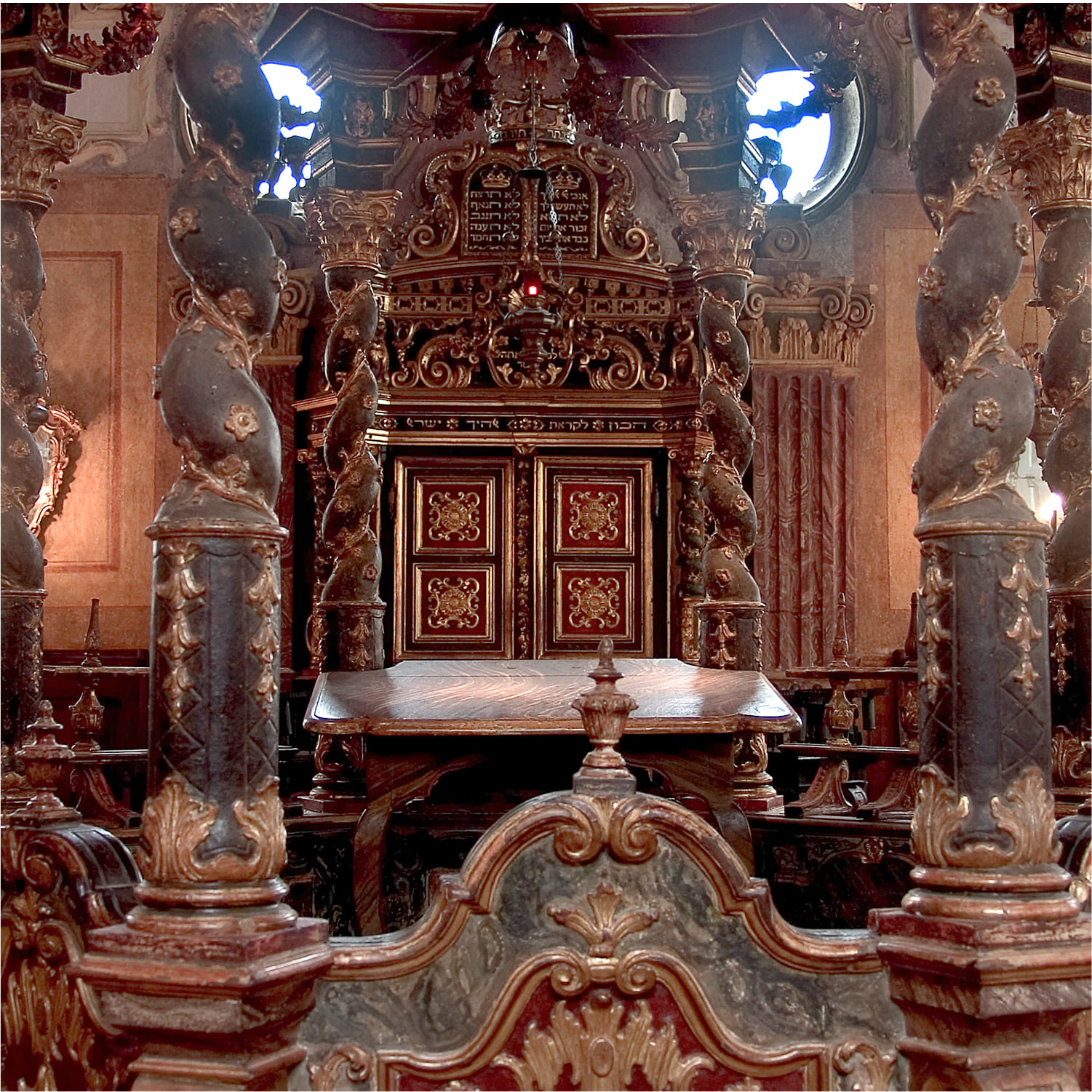
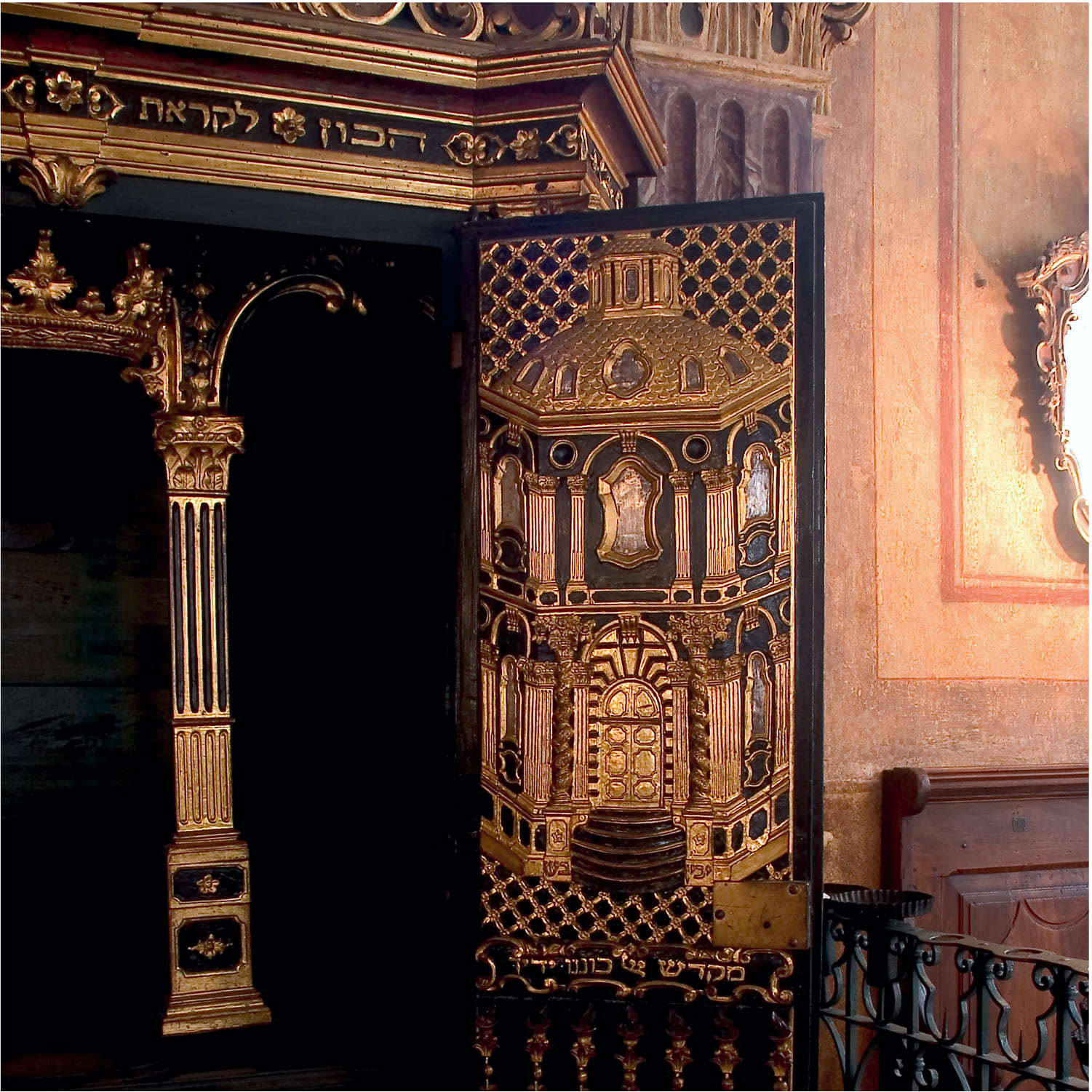
A representative example of a Piedmontese synagogue from the ghetto era, it is located on the top floor of a building without any external features that betray its presence. The interior is a jewel of
The exhibition “Words, images, objects and architecture of the Piedmontese synagogues”
A small yet significant permanent exhibition has been set up in rooms on the ground floor, where the new entrance to the synagogue is located. Important restoration works in Carmagnola have provided
The exhibition represents an introduction to a visit to the synagogue as well as part of a more extensive route encompassing the entire network of synagogues in Piedmont.
Jewish Cemetery
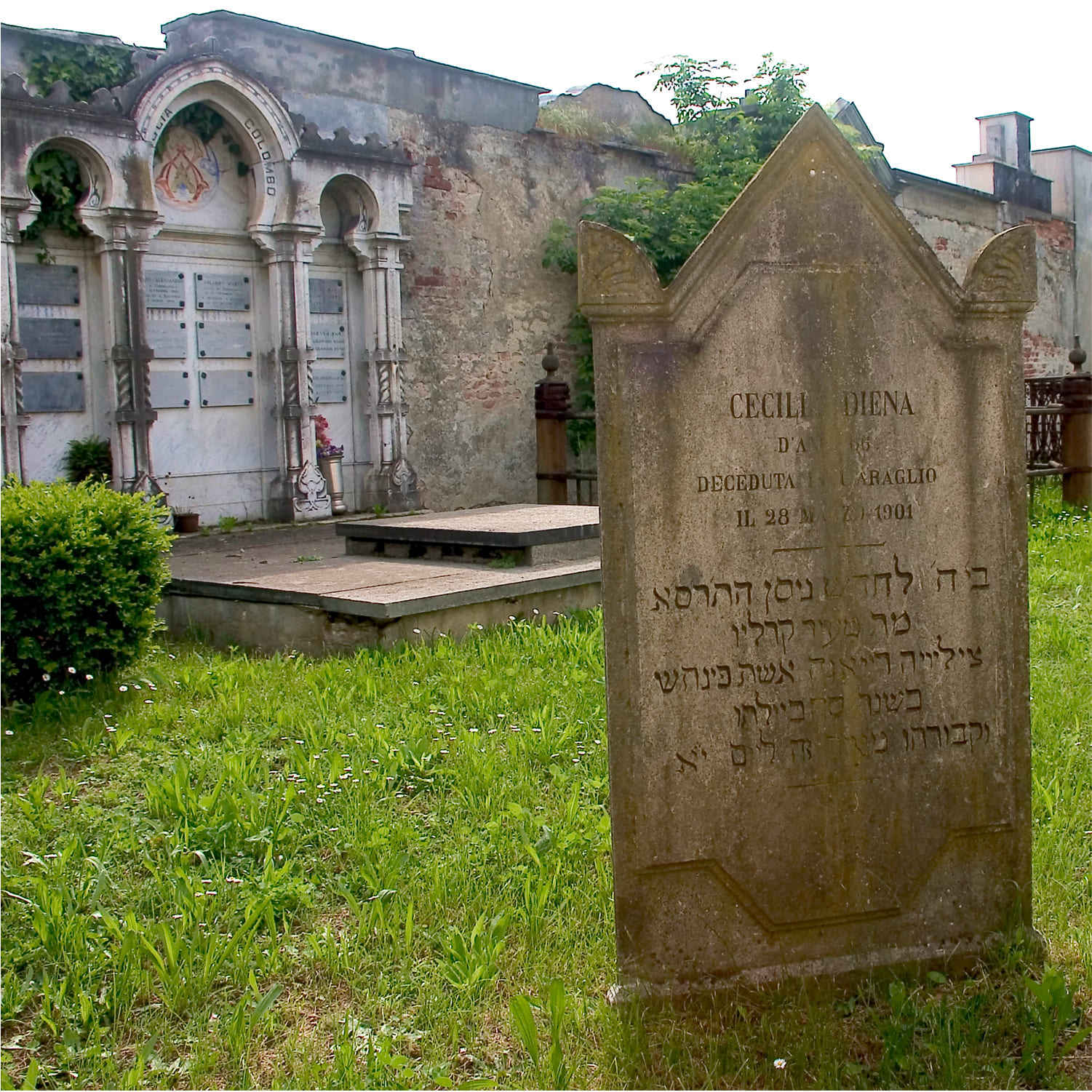
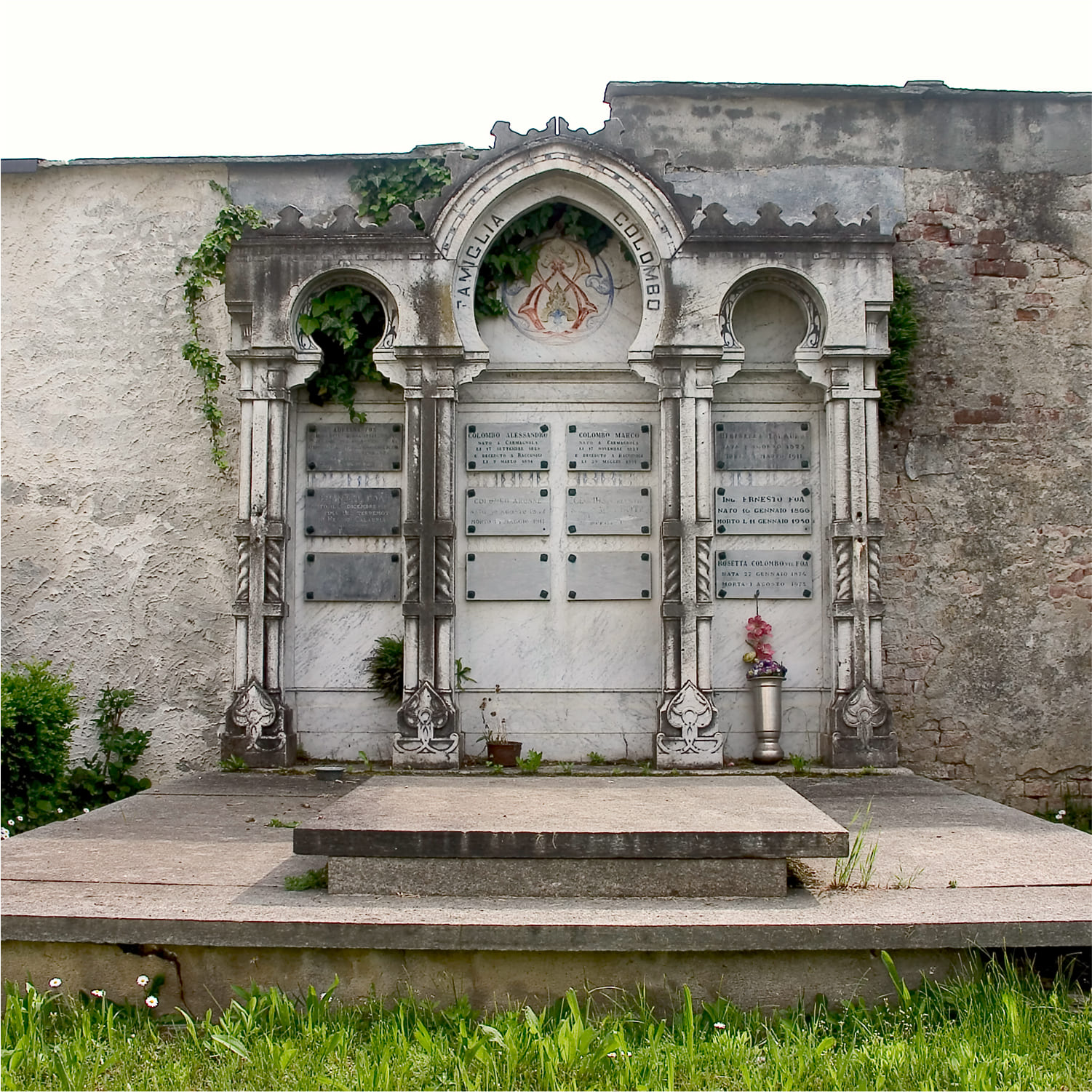
The earliest burial area used by the Jews of Carmagnola is documented from 1599 in the area of Zucchetta, located behind the church of Sant’Agostino. Successive urban expansion has since rendered the area an integral part of the city’s urban fabric and today no visible trace remains of the old cemetery.
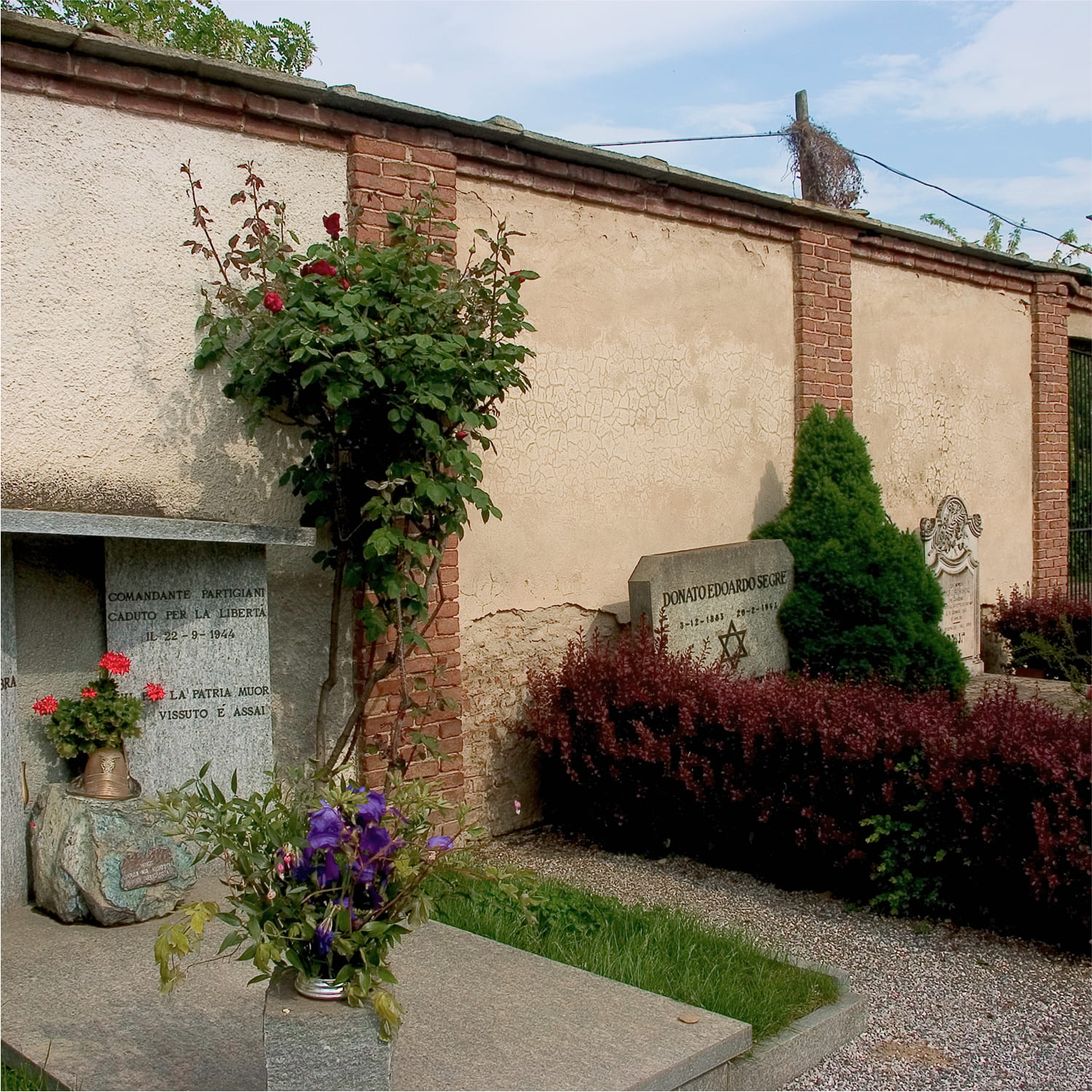
In 1863 the Jewish cemetery became an independent sector of the municipal cemetery. It is a small plot of land with triangular layout with simple in-ground graves and a few, more monumental family tombs located along the perimeter wall. The grave of a partisan commander, former captain of the Alpini, is a reminder of the contribution of many Jews in the Partisan struggle for liberation.