18:14
18:14 19:24
19:24 Wayakhel - Pekudè, Shabbath Ha-chodesh - Es. 35-1/38-20, Es. 38-21/40-38, Es. 12-1/12-20

Asti
A document from 812 contains a reference to a certain Dondone Judeo. A continuous Jewish presence, however, is documented only from the 14th century, following emigration and expulsions from Central Europe. In the following centuries, Jews were repeatedly granted permission to operate lending banks and reside in the city, despite a climate of control and high taxes. The establishment of the ghetto dates back, as in the rest of Piedmont, to the Constitutions of 1723. A year later, an area of the medieval urban fabric, between the current Via Aliberti, Via Ottolenghi, and Corso Alfieri, where the Jewish population had already settled for some time, was designated for this purpose. The densely built area contained shops, warehouses, and homes connected by galleries and passages between internal courtyards. At no. 39 Via Aliberti was home to the Jewish school, the Clava Institute, which operated from 1866 to 1930. With the final emancipation, in 1848, many Jews of Asti held important positions in the life of the city and the state, often linking their names to events and actions commemorated by city monuments.
The Sinagogue
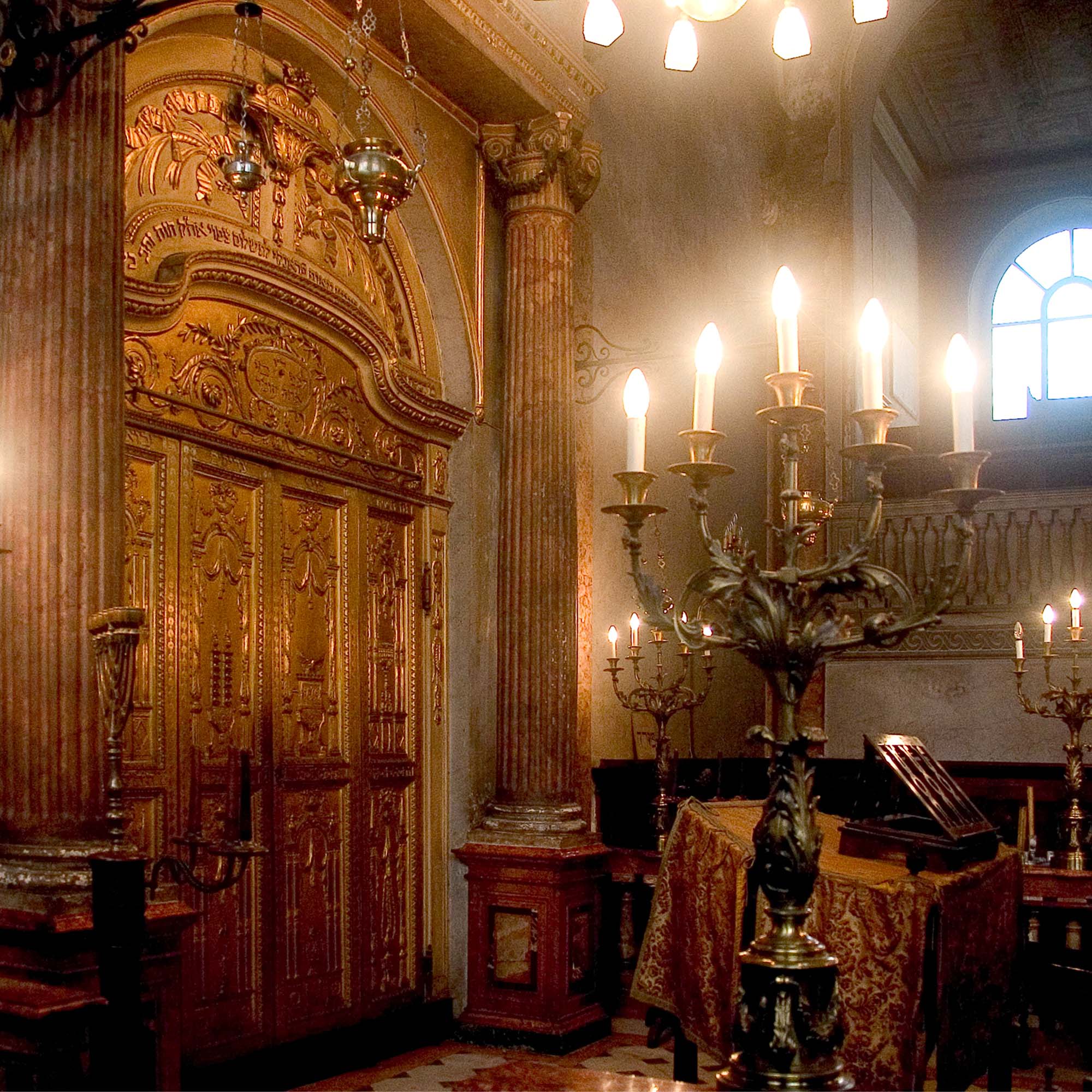
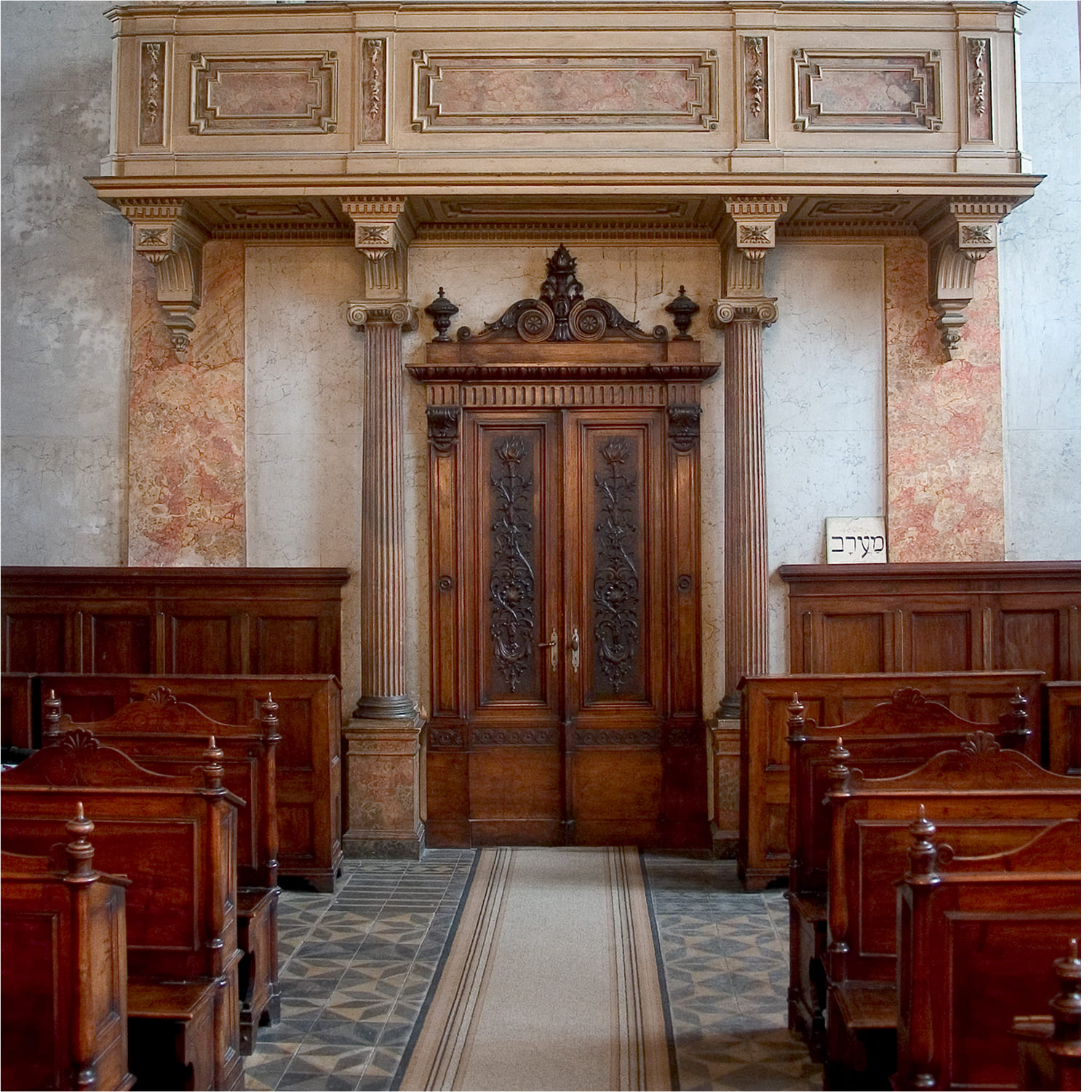
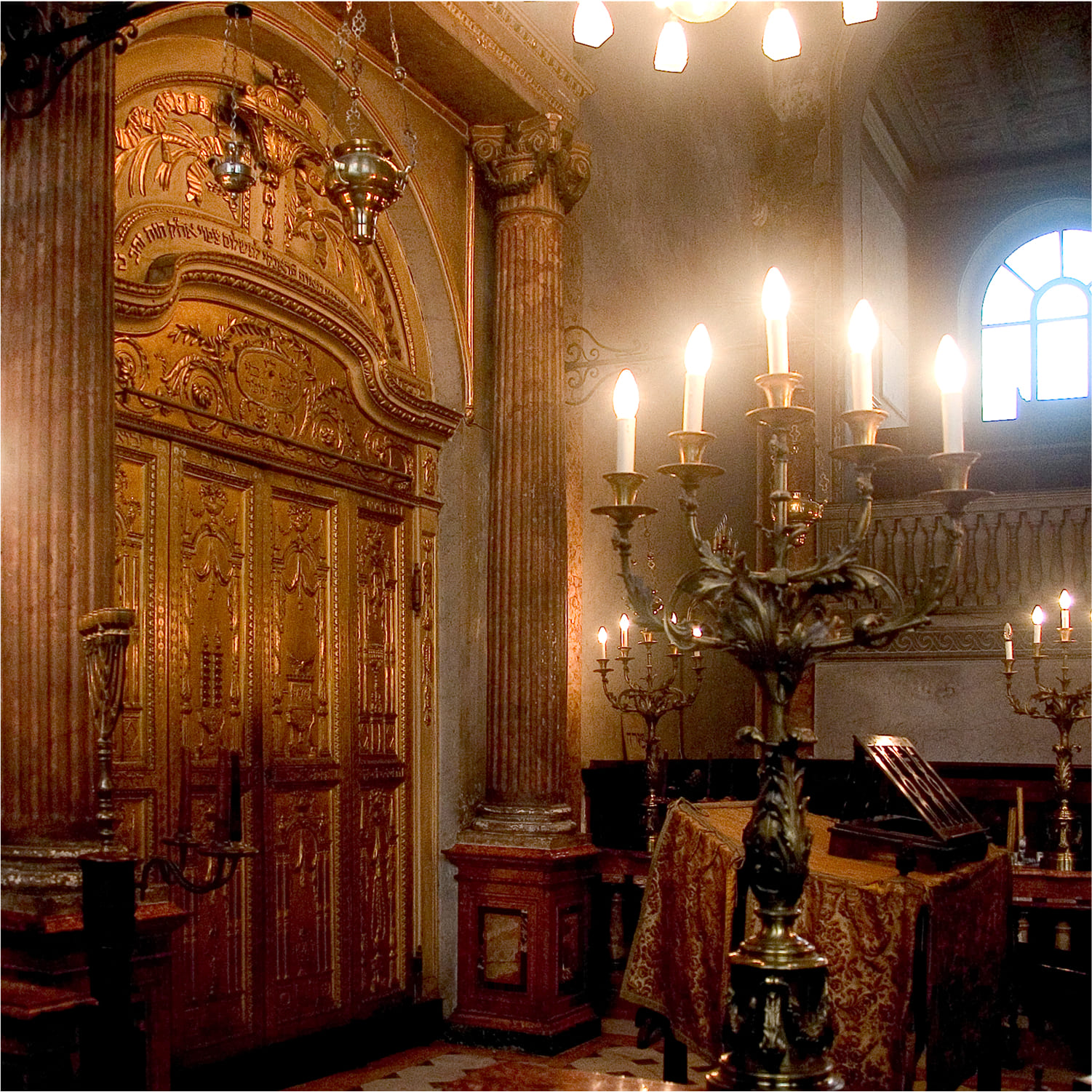
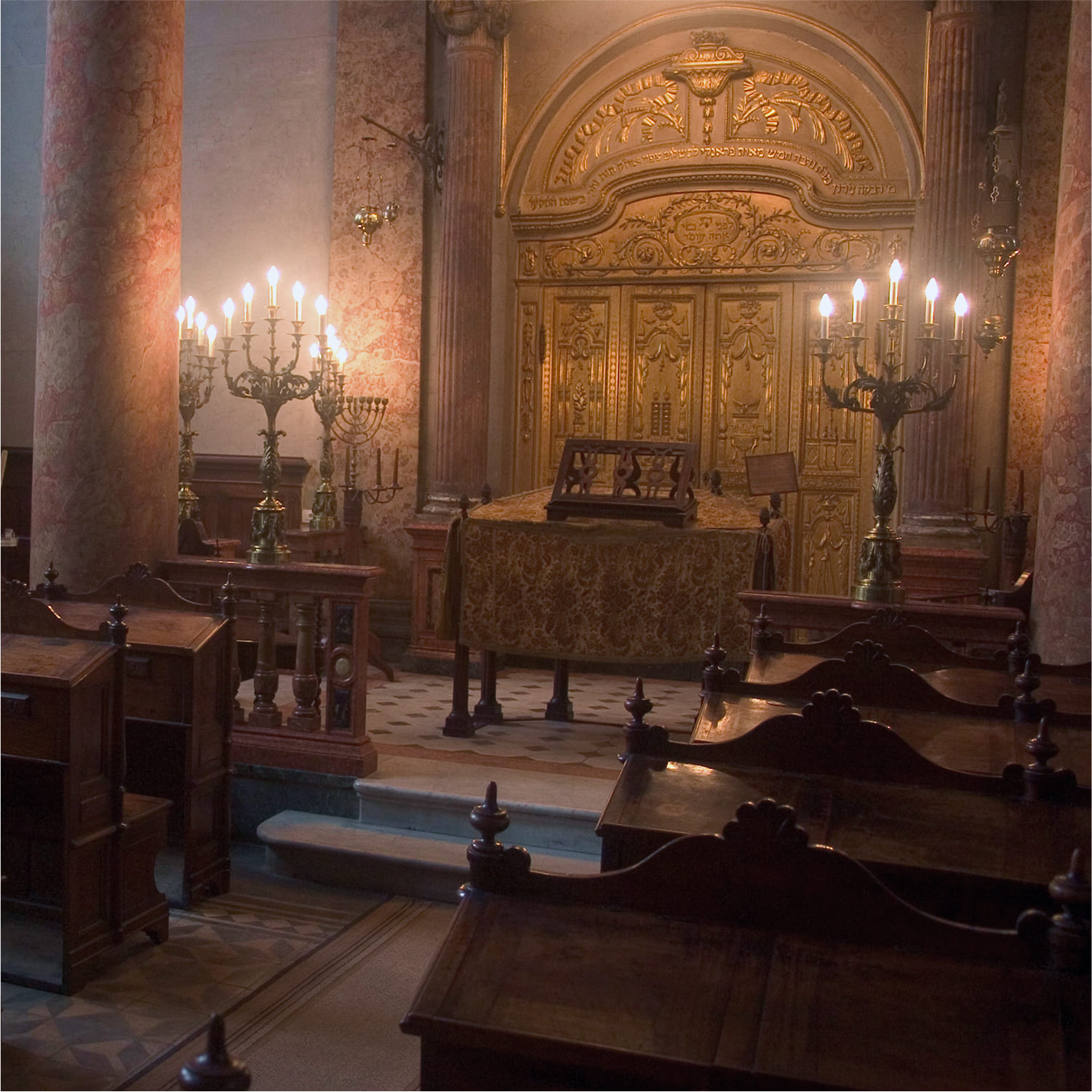
The Synagogue of Asti, renovated and expanded several times, has maintained its urban location since the 17th century, before the ghetto was established. The large, bright, classically inspired space was built on the site of its predecessor in the 1830s. At the time, the tevah was located at the center of the four faux marble columns. Its current configuration, however, is the result of the 1889 renovation, financed by the brothers Jacob and Leonetto Ottolenghi to enhance the community institution’s prestige and visibility in the new climate of social equality following the Emancipation. The opening of the open space in front and the elegant façade date back to this project. A large side wing was built to accommodate a more spacious women’s gallery. The tevah was removed from its central position, typical of Piedmontese synagogues, and placed against the aron, within a marble balustrade, imitating the Catholic liturgical space. In its place, new seating for the public has been aligned. Instead, the prized carved wooden aron, dated 1809, was preserved. It is decorated with eight panels depicting the Tabernacle’s religious furnishings, a work attributed to the workshop of the Asti cabinetmaker Bonzanigo. An inscription commemorates its gilding, donated by Mrs. Rebecca Ghiron in 1816.
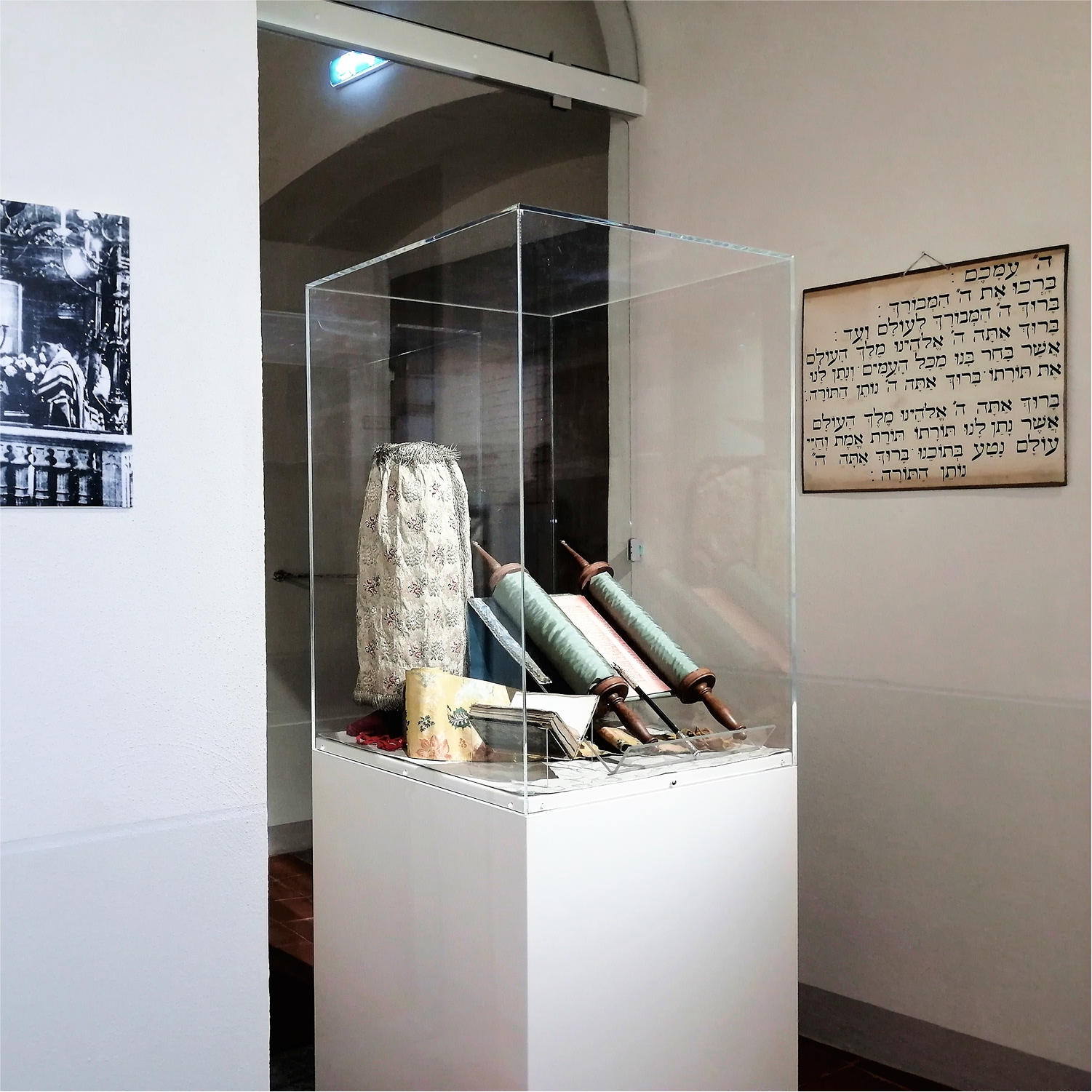
Permanent exhibition
The Synagogue of Asti, renovated and expanded several times, has maintained its urban location since the 17th century, before the ghetto was established. The large, bright, classically inspired space was built on the site of its predecessor in the 1830s. At the time, the tevah was located at the center of the four faux marble columns. Its current configuration, however, is the result of the 1889 renovation, financed by the brothers Jacob and Leonetto Ottolenghi to enhance the community institution’s prestige and visibility in the new climate of social equality following the Emancipation. The opening of the open space in front and the elegant façade date back to this project. A large side wing was built to accommodate a more spacious women’s gallery. The tevah was removed from its central position, typical of Piedmontese synagogues, and placed against the aron, within a marble balustrade, imitating the Catholic liturgical space. In its place, new seating for the public has been aligned. Instead, the prized carved wooden aron, dated 1809, was preserved. It is decorated with eight panels depicting the Tabernacle’s religious furnishings, a work attributed to the workshop of the Asti cabinetmaker Bonzanigo. An inscription commemorates its gilding, donated by Mrs. Rebecca Ghiron in 1816.

Jewish Cemetery
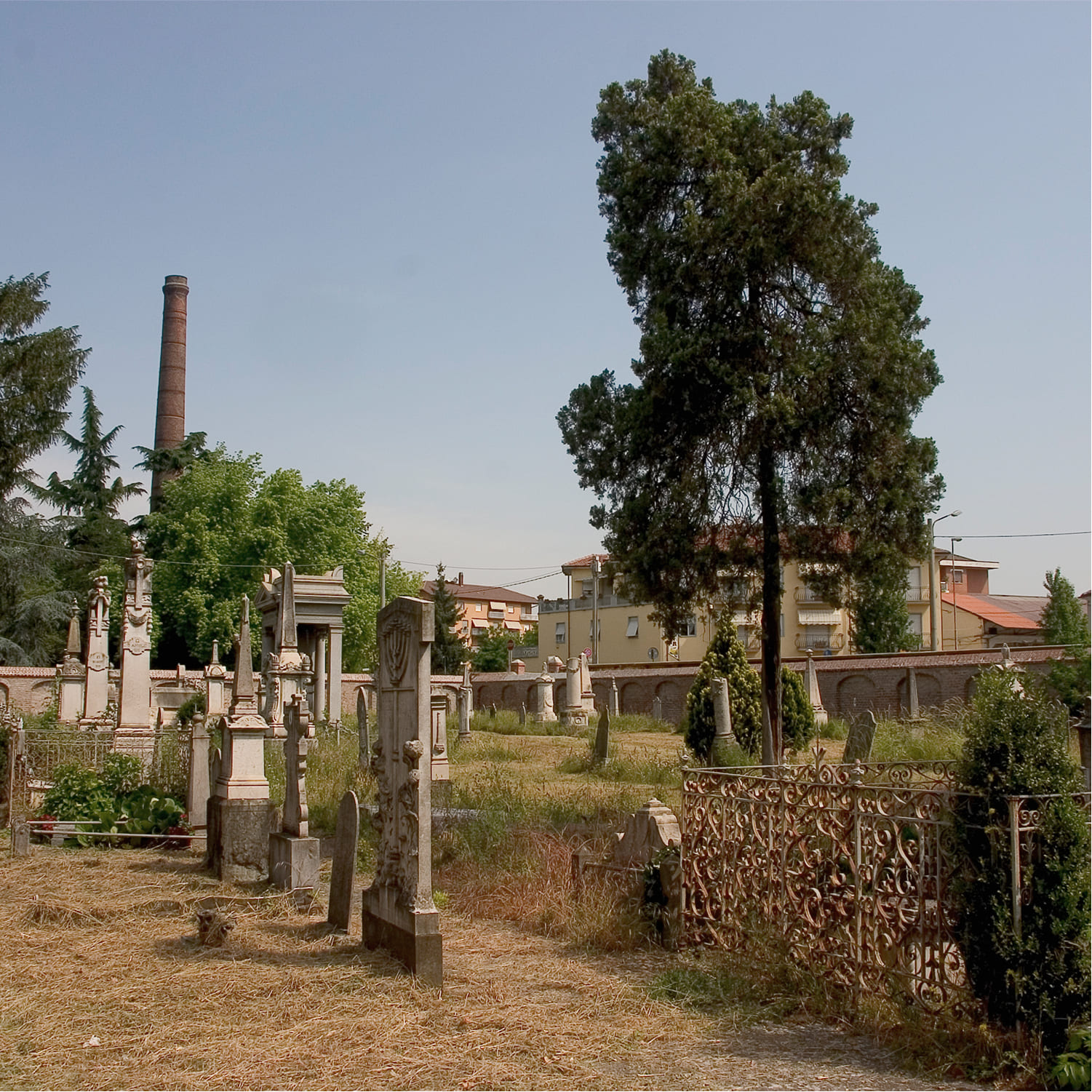
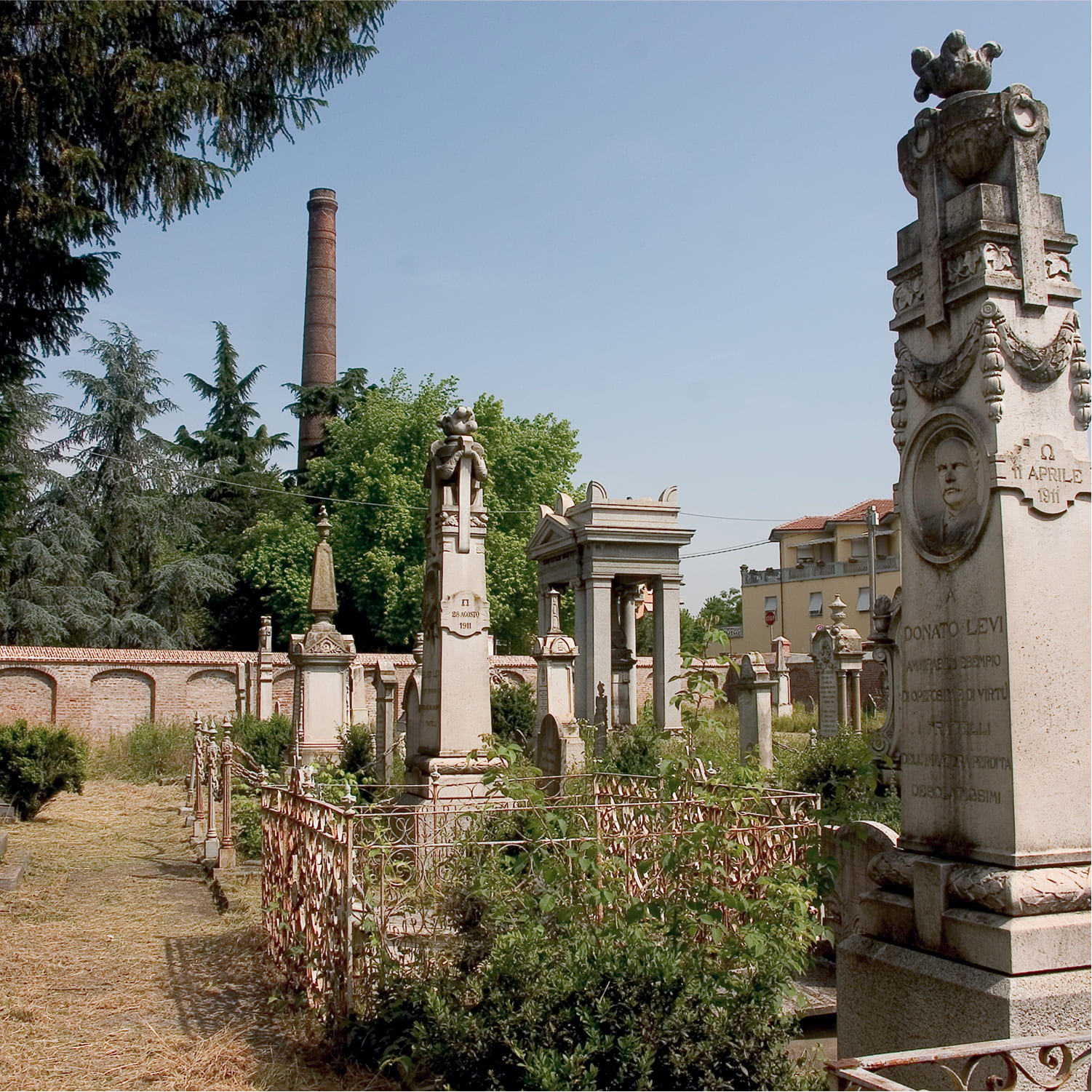
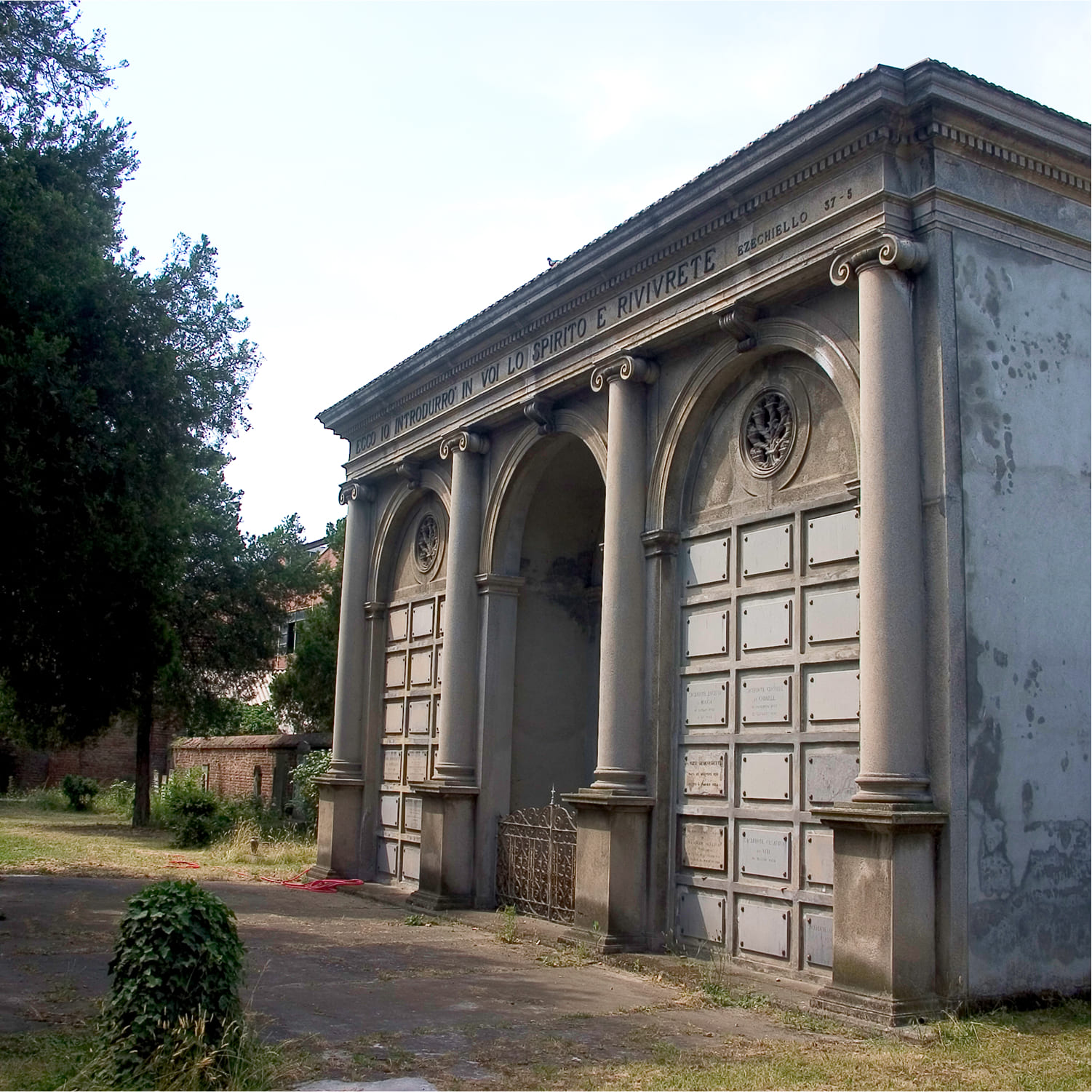
The cemetery of Asti is perhaps that which boasts the greatest number of monumental tombs of all the Jewish cemeteries in Piedmont. Of indisputable artistic value but often far-removed from Jewish custom, they were commissioned by the families to manifest the prestige attained after the Emancipation. While some of these tombs bear the symbols of Judaism, equally popular were decorative subjects taken from non-Jewish cemetery symbolism. The high degree of assimilation that characterised the Jews of Asti in the past was further manifested by the construction in 1933 of a columbarium with cinerary urns and raised burial recesses.
The first burial in this cemetery dates back to 1810. In previous centuries the Community had used a portion of land given for the purpose in 1539, situated in an area comprising the present-day Via Antica Zecca and Via Massimo D’Azeglio, which in those days was outside the town. Later, with the new Napoleonic decrees on burial sites this area had to be abandoned and a new site was purchased outside Porta San Pietro, which is the Jewish cemetery that is still in use today.